Depression Treatment in Gilbert, AZ
Depression is more than feeling sad or having a bad week. It is a medical condition that affects mood, energy, motivation, sleep, and how you experience daily life. When depression persists, it can quietly limit relationships, work, and a person’s sense of purpose.
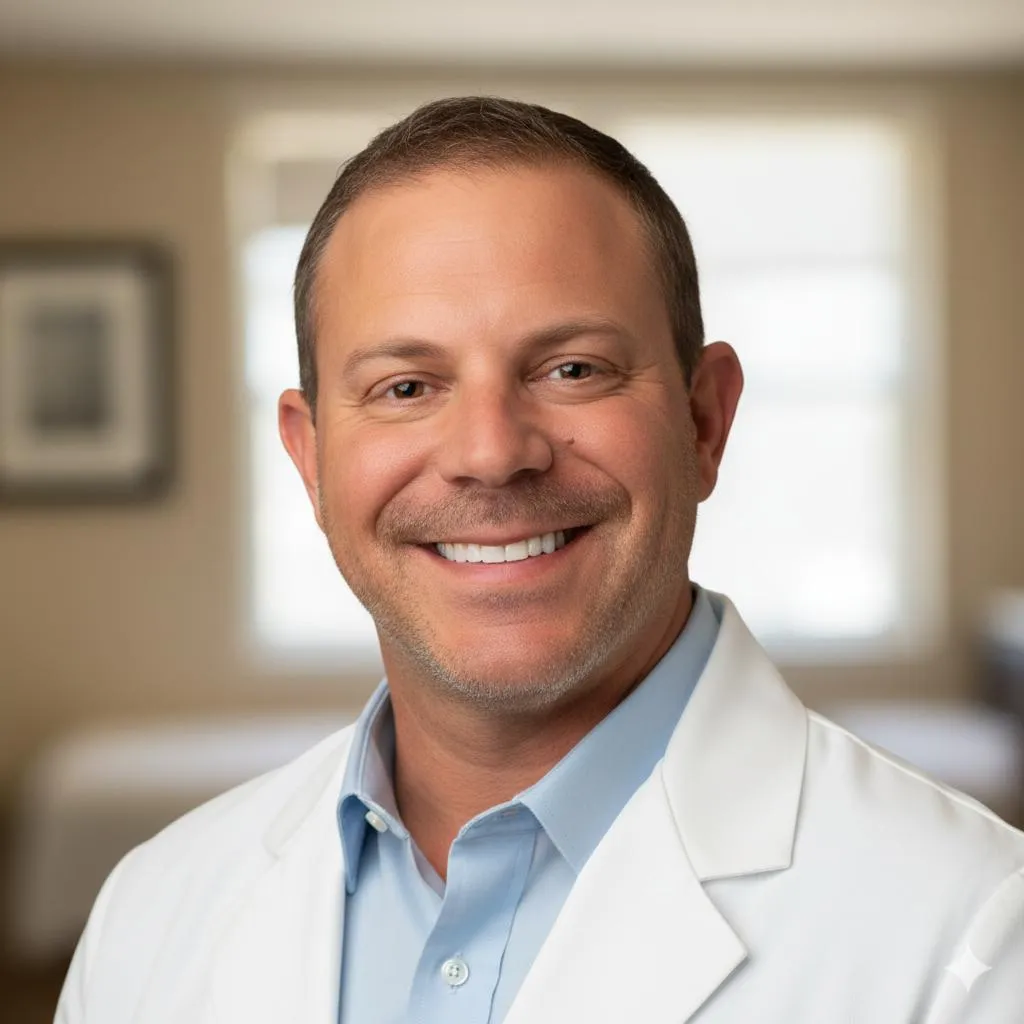
At Gilbert Chandler Psychiatrists, depression care is led by experienced psychiatric providers, including Dr. Mark Feinstein, DO, who brings decades of clinical psychiatry experience, and a multidisciplinary team trained in integrative, patient-centered care. We work with individuals who are newly struggling with depression as well as those who have not seen enough improvement with traditional treatments.
Our goal is to understand the full picture and create a treatment plan that supports meaningful, lasting improvement.
What Is Depression?
Depression is a mood disorder characterized by persistent low mood, loss of interest, and changes in thinking, behavior, and physical functioning. Unlike temporary sadness, depression causes functional impairment, meaning it interferes with daily life.
Depression can affect how you think about yourself, the world, and the future. Many people experience a negative bias, where it becomes difficult to feel pleasure, motivation, or hope. Depression exists on a spectrum and may vary in intensity over time.
Signs and Symptoms of Depression
Depression affects both emotional and physical health. Common symptoms include:
- Persistent sadness or low mood
- Loss of interest or pleasure in activities
- Fatigue or low energy
- Difficulty concentrating or making decisions
- Changes in sleep (insomnia or excessive sleep)
- Changes in appetite or weight
- Feelings of guilt, worthlessness, or hopelessness
- Social withdrawal or isolation
- Thoughts of death or suicide
Symptoms may present differently in each individual and can change over time.
Causes and Risk Factors Related to Depression
Depression usually develops from a combination of factors rather than a single cause. These may include:
- Chronic stress or major life changes
- Trauma or unresolved emotional experiences
- Persistent negative thought patterns
- Biological and genetic vulnerability
- Sleep disruption and lifestyle factors
- Medical conditions or chronic illness
In many cases, depression builds gradually and becomes reinforced through patterns of avoidance, isolation, and negative thinking.
How Is Depression Diagnosed?
Depression is diagnosed through a comprehensive psychiatric evaluation. This includes:
- A detailed clinical interview
- Discussion of mood, energy, sleep, and daily functioning
- Review of medical, psychiatric, and family history
- Use of standardized screening tools (such as symptom questionnaires) when appropriate
Diagnosis is based on clinical understanding and functional impact—not just test scores. Establishing trust and understanding a patient’s story are central to accurate diagnosis.
Treatment Options for Depression
Depression treatment is individualized and may include one or more of the following:
- Psychotherapy, such as Cognitive Behavioral Therapy (CBT), Acceptance and Commitment Therapy (ACT), or trauma-informed approaches
- Medication, when appropriate, to support mood regulation
- Lifestyle and behavioral strategies, including sleep, movement, and routine support
- Advanced treatments, for individuals who have not seen sufficient improvement with standard care
The goal of treatment is not just symptom reduction, but improved daily functioning and quality of life.
Advanced Treatment Options for Depression
For individuals who have not seen enough improvement with therapy or antidepressant medications, advanced treatment options may be considered as part of a comprehensive care plan.
- TMS Therapy for Depression: TMS is often recommended for individuals with treatment-resistant depression, or for those who cannot tolerate medication side effects.
- Spravato® (Esketamine) for Depression: Spravato® is an FDA-approved intranasal treatment specifically indicated for treatment-resistant depression. It works differently from traditional antidepressants by targeting glutamate pathways involved in mood and brain connectivity. Spravato® is administered in the clinic under medical supervision and is used in combination with an oral antidepressant.
Benefits of TMS for Depression
- FDA-approved for major depressive disorder
- Non-invasive and medication-free
- Does not cause systemic side effects
- May improve mood, motivation, and emotional regulation
- Can support better sleep and daily functioning
- Often helpful when antidepressants have not provided sufficient improvement
TMS is delivered in brief outpatient sessions and does not require anesthesia or downtime.
Benefits of Spravato® for Depression
- FDA-approved specifically for treatment-resistant depression
- Works through different brain pathways than standard antidepressants
- May lead to faster improvement in depressive symptoms for some patients
- Can help reduce severity of depressive symptoms when other treatments have failed
- Administered in a controlled, monitored clinical setting
Spravato® is not a standalone solution and is most effective when integrated with ongoing psychiatric care and therapy.
Book An Appointment
We provide complimentary consultation. One of our experienced doctors will discuss your concerns and provide guidance.
Call Us on (480) 269-2206 or fill the form below to receive a call back.
Frequently Asked Questions (FAQs)
Is depression different from feeling sad?
Yes. Sadness is a normal emotional response, while depression is a medical condition that causes persistent low mood and interferes with daily functioning, relationships, and quality of life.
How do I know if I should seek treatment for depression?
If symptoms last more than a few weeks, affect your energy, sleep, motivation, or relationships, or feel difficult to manage on your own, a professional evaluation can help.
What causes depression?
Depression usually develops from a combination of factors, including stress, trauma, biological vulnerability, thought patterns, lifestyle factors, and life circumstances. There is rarely a single cause.
How is depression diagnosed?
Depression is diagnosed through a comprehensive psychiatric evaluation that includes clinical interviews, discussion of symptoms and history, and, when appropriate, standardized questionnaires.
Is medication always required for depression?
No. Some people improve with therapy and lifestyle support alone. Medication is considered based on symptom severity, history, and individual preferences.
What is treatment-resistant depression (TRD)?
TRD refers to depression that does not sufficiently improve after trying at least two antidepressant medications. Advanced options such as TMS or Spravato® may be considered in these cases.
Can TMS help depression without medication?
Yes. TMS is a medication-free treatment and may be helpful for individuals who have not seen enough improvement with antidepressants or cannot tolerate side effects.
How does Spravato® differ from standard antidepressants?
Spravato® works on different brain pathways than traditional antidepressants and is FDA-approved for treatment-resistant depression. It is administered in-clinic with medical monitoring.
How long does depression treatment take?
Treatment length varies. Some people notice improvement within weeks, while others benefit from longer-term care focused on skill-building and stability.
Can depression return after treatment?
Symptoms can fluctuate over time. Treatment focuses on building strategies and supports that help maintain long-term improvement and resilience.
When Should You Seek Help for Depression?
You may benefit from professional support if:
- Low mood or loss of interest persists for weeks
- Daily functioning feels harder than it used to
- Sleep, appetite, or energy are significantly affected
- Relationships or work are suffering
- You feel stuck or hopeless despite trying to cope
- Thoughts of self-harm or suicide are present
Seeking help early can prevent depression from becoming more entrenched
Is Advanced Depression Treatment Right for You?
Advanced options such as TMS or Spravato® may be considered if:
- You have tried multiple antidepressants without enough improvement
- Medication side effects have been difficult to tolerate
- Depression has been long-standing or severe
- Symptoms significantly affect daily functioning
- A comprehensive evaluation helps determine the most appropriate next steps.
Content Reviewed by